My Shin Was Discolored by Cellulitis How Can I Make It White Again
Cellulitis
51263 34 Information forImages of Cellulitis





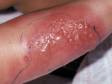
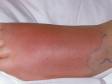
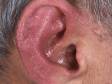
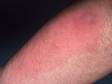

Overview
Cellulitis is an infection of the skin and is about frequently acquired by the bacteria Streptococcus or Staphylococcus. These leaner are able to enter the skin through small cracks (fissures), causing the sudden appearance of redness, swelling, and warmth in the skin. Cellulitis is sometimes accompanied past fever, chills, and general fatigue.
If the infection is left untreated for too long, cellulitis tin can result in pockets of pus (abscesses) or the spread of bacteria into the bloodstream (bacteremia). However, most cases of cellulitis resolve with appropriate antibody therapy.
Who's at risk?
Cellulitis can occur in anyone. Factors that increase the risk of developing cellulitis include:
- Diabetes
- Lymphedema
- Pare wounds
- Chronic lower leg swelling (edema)
- Athlete's foot (tinea pedis)
- Bites from insects, animals, or other humans
- Obesity
- Poor circulation in the legs (peripheral vascular affliction)
- Weakened immune system due to underlying illness or medication
- Intravenous drug corruption
Signs and Symptoms
Cellulitis can affect any part of the body, simply the most common locations are:
- Lower legs
- Arms or hands
- Face
Cellulitis may exist accompanied by swollen lymph nodes, fever, chills, and fatigue.
Self-Care Guidelines
If you think you lot accept cellulitis, make an appointment to see your doctor. While you lot are waiting for the appointment with your physician, you can drag the involved trunk part in order to decrease swelling. A absurd, clean, moist towel tin can exist applied to the area to decrease pain.
When to Seek Medical Care
If you develop a tender, red, warm, enlarging area on your pare, brand an appointment with your doctor as soon as possible to go treatment and to avoid complications that may occur if cellulitis is left untreated. If yous also have fever and chills, or if the area involves the face, you should go to the emergency room.
If you are currently beingness treated for a skin infection that has non improved later 2–3 days of antibiotics, return to your dr.. You may need treatment with different medications, or the infection may have spread deeper into your skin.
Community-associated methicillin-resistant Staphylococcus aureus (CA-MRSA) is a strain of "staph" bacteria that is resistant to antibiotics in the penicillin family. This class of antibiotics has been the cornerstone of antibiotic therapy for staph and skin infections for decades. CA-MRSA previously infected only pocket-sized segments of the population, such as wellness care workers and persons using injection drugs. However, CA-MRSA is at present a common cause of skin infections in the general population. While CA-MRSA leaner are resistant to penicillin and penicillin-related antibiotics, near CA-MRSA infections tin hands be treated with commonly bachelor nonpenicillin antibiotics. Rarely, CA-MRSA can cause a deeper skin infection, which usually requires intravenous (IV) antibiotics to treat the infection. There is an additional strain of MRSA (hospital-acquired MRSA), usually establish in health care settings, that is susceptible only to intravenous antibiotics, and so admission to the hospital is frequently needed for constructive treatment.
Treatments Your Doc May Prescribe
Your doctor will usually be able to easily diagnose cellulitis by examining the affected surface area. Sometimes your doctor may want to go boosted information by ordering blood tests and/or performing a bacterial culture in lodge to identify the specific bacterium that is causing the cellulitis as well as to exam its susceptibility to dissimilar antibiotics to aid guide treatment decisions.
A bacterial culture involves the following:
- Opening a cicatrice or pus-filled bump with a needle, scalpel, or lancet after cleansing the skin.
- Rubbing a sterile cotton-tipped applicator beyond the skin to collect the sample.
- Sending the specimen to a laboratory.
While waiting for the results from the bacterial culture, your doctor may want to start y'all on an antibiotic to fight the near common bacteria that crusade cellulitis. Once the concluding culture results have returned, your physician may change the antibiotic you are taking, particularly if the infection is non improving.
Balmy cases of cellulitis in a healthy person tin can be treated with oral antibiotic pills. Mutual antibiotics that are used to treat cellulitis include the following:
- Dicloxacillin
- Cephalexin
- Trimethoprim-sulfamethoxazole
- Clindamycin
- Doxycycline
- Linezolid
- Nafcillin
- Oxacillin
- Cefazolin
- Vancomycin
Trusted Links
MedlinePlus: CellulitisClinical Information and Differential Diagnosis of CellulitisReferences
AN, Swartz MN, Johnson RA. Soft-tissue infections: Erysipelas, Cellulitis, Gangrenous Cellulitis, and Myonecrosis. Wolff K, Goldsmith LA, Katz SI, Gilchrest BA, Paller AS, Leffell DJ, eds. Fitzpatrick'due south Dermatology in General Medicine. 7th ed. New York, NY: McGraw-Hill; 2008:1720-1731.
Bolognia, Jean L., ed. Dermatology, pp.1123-1124. New York: Mosby, 2003.
Freedberg, Irwin 1000., ed. Fitzpatrick's Dermatology in General Medicine. sixth ed, pp. 1845, 1848, 1883. New York: McGraw-Loma, 2003.
Source: https://www.skinsight.com/skin-conditions/adult/cellulitis

Post a Comment for "My Shin Was Discolored by Cellulitis How Can I Make It White Again"